I’ve been watching many fashion videos for women over 50. Often, these fashion mavens recommended that their viewers pair their pants or dresses with pointed shoes or heels to stay stylish. That’s fine if you have pointed feet, but if you try to stick a square shape into a triangle, it can be excruciating.
I bought a pair of pointed-toe flats for my daughter’s wedding and wore them for about five minutes. I spent the rest of the evening barefoot. Pointed shoes are now banned from my closet. Heels have been absent for years.
It’s not uncommon to see older women on TV wearing stilettos, but most are sitting down and probably kick them off when they’re not on camera. I suppose there are a few die-hards who will wear them until they drop, but not me.
Have you ever wondered why your shoes are causing you discomfort?
As we get older, our feet change—often in ways we don’t immediately notice. Arches can flatten, feet may widen, and sensitivity increases. If you’ve ever wondered why shoes that once felt fine now cause your feet to ache, your foot shape and arch type are likely the reason.
Understanding these two factors can make a dramatic difference in choosing shoes that prevent pain in your feet, knees, and even your back.
Foot shapes are hereditary: These are the three most common ones
The length and alignment of your toes determine the shape of your feet. This will affect how your foot fits into the front of a shoe (the toe box).
Roman (Square) Foot
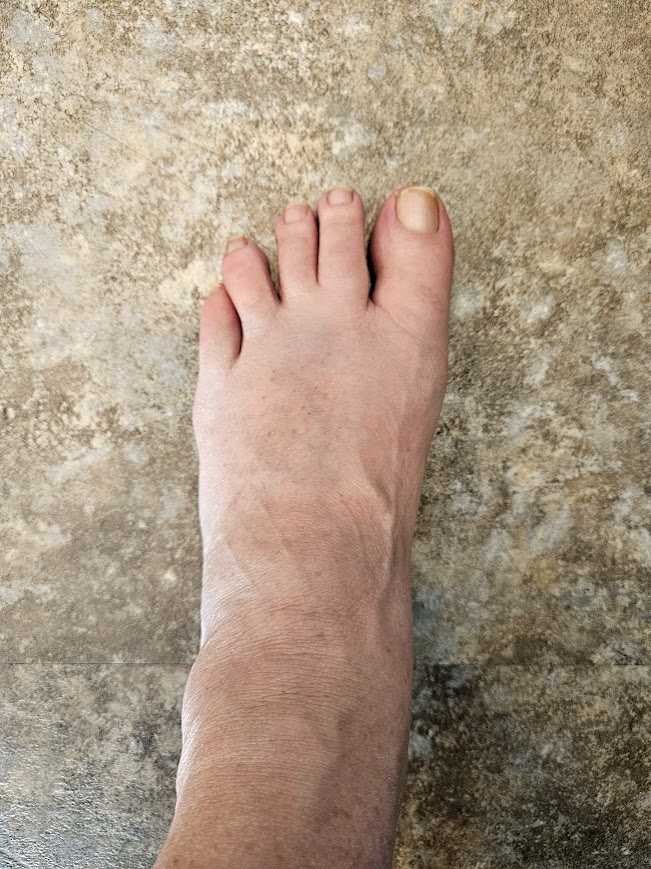
I took a photo of my foot and uploaded it to ChatGPT. (Sorry, it’s a funky old foot.)It told me I have Roman-shaped feet. It also mentioned that my toenails were getting thick. DOH!
Roman feet are one of the most common foot shapes. The first three toes are nearly the same length, creating a squared-off appearance.
Women with this foot shape often experience discomfort in narrow or pointed shoes because the toes are compressed.
ChatGPT recommended that I wear round-toe or square-toe flats and loafers, or sneakers with a wide or foot-shaped toe box. That sounds reasonable to me!
When I went to Paris, I had good luck wearing my Vionic Uptown Loafers, my ASICS Gel Kayano 32 sneakers, and Dr. Scholl’s Time Off Sneakers. I averaged 18,000 steps per day and stayed upright.
The shoes I need to avoid are narrow or pointed styles. I promise I will never buy a pair of pointed shoes again.
Why does pairing a shoe’s style with the shape of your feet matter?
A shoe that mirrors the natural shape of your foot prevents crowding, which reduces pressure, irritation, and long-term issues like bunions. A Roman foot shape should avoid pointed toes because the first three toes are about the same length. They get compressed across the front in pointed toes. This can lead to pressure, rubbing, and bunions over time.
Greek Foot
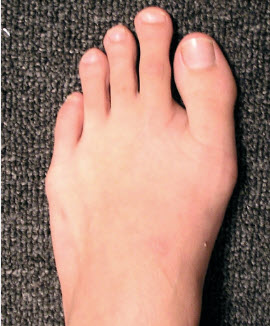
In this shape, the second toe is longer than the big toe.
This can lead to pressure on the second toe in standard shoes, often causing rubbing or pain.
The best shoes for someone with Greek feet are:
- Rounded or almond toe shapes with extra depth
- Soft uppers that don’t press down on the toes
- Avoid shallow or tight toe boxes
Keep in mind
Shoes that are too short or tapered can put excess pressure on the second toe, leading to discomfort or calluses. In the case of pointed-toed shoes, the second toe is longer than the big toe. The long toe would hit the front of the shoe first. This can cause pain, rubbing, or nail issues.
Egyptian Foot
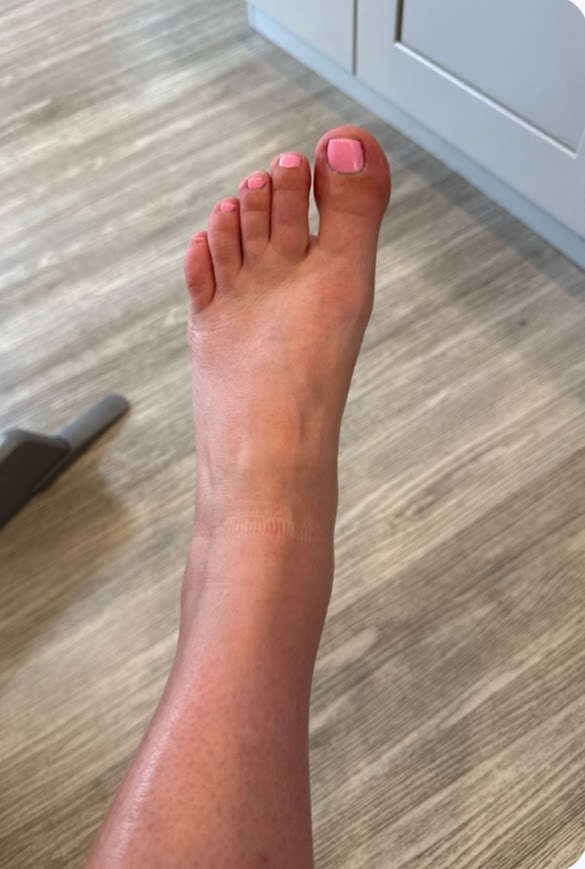
The big toe is the longest, and the rest of the toes slope downward.
This shape fits more easily into traditional shoe designs, but tight or angled toe boxes can still cause issues.
The best shoes for someone with an Egyptian-shaped foot.
- Slightly tapered or almond-shaped toe boxes
- Shoes made with flexible materials that accommodate natural toe alignment
Why it matters:
Even though this is considered the “standard” foot shape, overly rigid or narrow shoes can still lead to crowding and discomfort. Of the three most common foot shapes, women with Egyptian feet will have the most success with pointed-toed shoes.
All foot shapes should follow the following advice when purchasing shoes:
- Look for soft leather or stretch uppers
- Avoid very narrow or rigid points
- Consider a slightly elongated almond toe instead—it’s much more forgiving
As we age, our feet tend to widen and become more sensitive, even if the shape technically “fits” a pointed style.
Understanding arch types
Your arch type plays a major role in how your body absorbs shock when you walk. It also affects your alignment, which can impact your knees and hips.
Low Arches (Flat Feet)
With low arches, the foot tends to roll inward (overpronation). This can place extra stress on the knees and ankles.
Common issues associated with low arches include:
- Knee pain
- Foot fatigue
- Plantar fasciitis
Always look for shoes that offer:
- Stability or motion-control sneakers
- Shoes with firm arch support
- Structured loafers with cushioning
Without proper support, your foot collapses inward, affecting your entire alignment.
Neutral Arches
A neutral arch provides balanced weight distribution and natural shock absorption.
Common issues that could occur with neutral arches:
- You will generally have fewer problems, but you could still be sensitive if you make the wrong shoe choices.
Your best shoe styles
- Moderate cushioning
- Flexible soles with some support
- Most well-designed comfort shoes
Even with a neutral arch, wearing unsupportive shoes (like very flat or thin soles) can lead to discomfort over time.
High Arches
High arches do not absorb shock as effectively, which can increase pressure on the heel and ball of the foot.
Common issues you may experience:
- Foot pain
- Knee and hip discomfort
- Instability
Your best shoe styles
- Cushioned sneakers with shock absorption
- Flexible soles
- Shoes with a slightly wider base for stability
Extra cushioning helps compensate for the lack of natural shock absorption. However, be careful with shoes that have excessive cushioning as they may deflate over time and cause stability issues.
How to determine what type of arches you have
If you have a Dr. Scholl’s kiosk at your local drug store, step on it and see what it says about your arch type. It will also recommend the correct insole for your feet.
Or, you can determine your arch type on the Dr. Scholl’s website. It will ask you to lay down a piece of thick paper (like a paper shopping bag), wet your feet, and step on the bag to get an impression. I tried it and it was just as accurate as using the kiosk.
Why is the instep height also a factor
Many women over 50 may also develop a higher instep, meaning the top of the foot is fuller.
This can make shoes feel tight across the top, even if the length and width are correct.
I have a high instep and often feel slight pain on the top of my feet. ChatGPT told me to re-lace my sneakers and leave the middle eyelets alone to give my shoes more give. It worked like a charm.
Best features to look for in shoes for a high instep:
- Soft or stretch uppers
- Adjustable closures or elastic panels
- Deeper shoe designs
Ignoring instep height often leads to pressure, discomfort, and even circulation issues.
Choosing the right shoes to avoid pain
When you combine foot shape, arch type, and instep height, the ideal shoe becomes much clearer.
Look for:
- A toe box that matches your natural foot shape
- Adequate arch support based on your arch type
- Cushioning to absorb shock and protect joints
- Soft, flexible materials that adapt to your foot
- Proper depth to accommodate your instep
Avoid:
- Narrow or pointed shoes that compress the toes
- Completely flat shoes with no support
- Stiff uppers that press on the top of the foot
The bottom line in shopping for the best shoes based on your foot shape
The key to comfort is not just buying “comfortable shoes,” but buying the right shoes for your specific feet.
For women over 50, this becomes even more important. The right shoe can reduce foot pain, improve balance, and even ease stress on the knees and hips.
Once you understand your foot shape and arch type, you can make smarter choices—and finally enjoy shoes that feel as good as they look.
There are more nuanced foot shapes that may match your feet better than those mentioned above.
These include Peasant, Germanic, Celtic, Asian, Mongolian, Norwegian, and Stretched. Who knew?
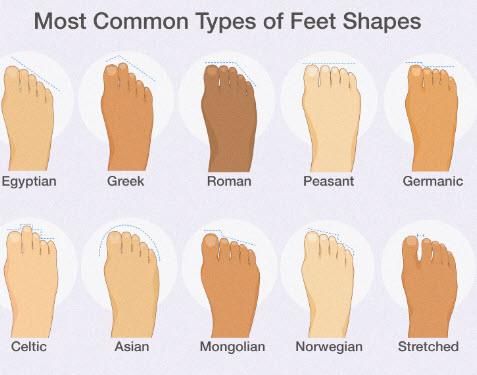
What foot shape matches your feet? Please leave a comment below.

Leave a comment and tell us what you think