Short hair offers style and convenience, but it can limit options for length and volume. Hair extensions solve this, but without proper blending, they can look obvious. The key to a seamless look is matching the cut, color, and texture of the extensions to the natural hair, then styling them to disguise any transition lines.
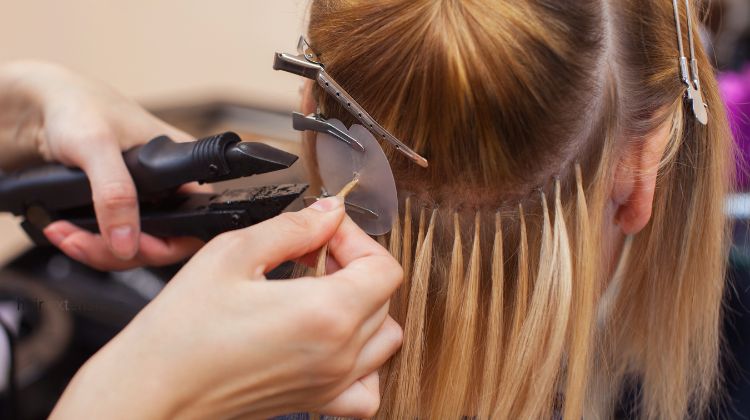
With the right placement and layering, extensions can integrate smoothly into short styles. Strategic sectioning, careful trimming, and heat styling help merge the two lengths so they appear as one. Even blunt cuts can achieve a natural flow when the extensions are shaped to complement the existing hair. By focusing on precision and subtle adjustments, anyone can make extensions look like a natural part of their hairstyle. The process is straightforward with the right tools, techniques, and attention to detail.
Key Takeaways
- Match extensions to natural hair in cut, color, and texture
- Use placement, trimming, and styling to hide transition lines
- Apply precise techniques for a natural, seamless finish
Fundamentals of Blending Hair Extensions With Short Hair
Blending extensions with short hair depends on choosing the right extension type, ensuring a close match in color and texture, and preparing the natural hair for a seamless transition. Small differences in thickness, shade, or placement can make the extensions stand out instead of blending in.
Choosing the Right Type of Hair Extensions
The type of extension affects both the blend and comfort. Clip-in extensions work well for occasional wear because they can be removed easily, while tape-in extensions offer a flatter, more natural look for daily use. For short hair, extensions with multiple weft sizes allow better control over placement. This helps disguise blunt ends and layers. Human hair extensions are easier to style and blend than synthetic options, especially when heat styling is required.
Human hair extensions provide a more versatile and natural appearance, allowing for seamless blending with your own hair. Unlike synthetic extensions, human hair can be styled with heat tools, offering more flexibility for different looks. Human hair extensions offer a more flexible styling experience, which makes them a preferred choice for those who want to achieve a wide range of looks. Since they can be styled with heat tools, they allow for the creation of everything from sleek, straight styles to voluminous curls. In contrast, synthetic extensions can limit your styling options, as they cannot withstand heat in the same way. Whether you’re using hair extensions from Thathair or other brands, it’s essential to choose the right type for your needs to ensure the best results.
Matching Color and Texture to Natural Hair
Color matching should focus on the mid-lengths and ends rather than the roots, as these sections are most visible. A shade that is too light or dark will create a noticeable line between the natural hair and the extensions. Texture is equally important. Straight extensions will not blend well with wavy or coily hair unless both are heat-styled to match. For 4c hair, choosing extensions with a similar curl diameter reduces the need for frequent manipulation. If the natural hair has highlights or lowlights, selecting extensions with a mix of tones can help mimic that variation. Many suppliers offer color swatches or sample pieces to test before committing to a full set.
As part of enhancing your overall appearance, using a whitening cream for your face can complement your hair styling efforts by brightening and evening out your skin tone. Just as blending extensions with your natural hair creates a flawless look, taking care of your skin helps achieve that radiant, polished finish.
Preparing Short Hair for Extensions
Before installing, the natural hair should be clean, dry, and free of heavy styling products. This ensures better grip for clips or adhesive strips. Layering the natural hair—either by cutting or point-chipping—helps soften blunt edges. Stylists often recommend curling or straightening the extensions and natural hair together after application to merge textures. For very short or layered cuts, braiding the lower sections and clipping extensions above the braid can hide shorter pieces. This method also reduces bulk at the nape, creating a smoother fall of hair.
Techniques and Styling Tips for a Seamless Blend
A natural-looking result depends on hiding visible extension tracks, matching textures between natural hair and added hair, and shaping the extensions so they flow with the existing cut. The right preparation, styling method, and finishing touches can make short hair and extensions look like one continuous style.
Sectioning and Concealing Short Hair
Proper sectioning helps prevent short layers from sticking out or revealing the extension base. She should start by parting the hair horizontally, leaving enough natural hair on top to cover the attachment points. For clip-in extensions, placing the wefts slightly lower and avoiding very high sections can help conceal them. Tape-in extensions should be applied closer to the scalp but still leave a protective layer of hair above.
Pinning or braiding the shortest underneath layers can keep them hidden beneath longer strands. In some cases, small halo extensions can be placed so that the band sits under a thick top layer of hair, making the join invisible. Using a light-hold hairspray or texturizing product on the covering hair can help it stay in place and maintain coverage throughout the day.
Blending With Heat Styling Tools
Matching the texture of the extensions to the natural hair is essential for a seamless look. A heat styling tool such as a flat iron or curling wand can smooth or wave both hair types together. She should always apply a heat protector before styling to reduce damage. Straightening both the natural hair and the extensions at the same time helps them lie evenly.
Conclusion
Blending hair extensions with short hair depends on selecting the right type, matching color and texture, and applying proper cutting and styling techniques. Small adjustments—such as layering the extensions and placing them strategically—help create a smooth transition between natural hair and added length.
Consistent maintenance, including gentle washing and careful styling, keeps the extensions looking natural and prolongs their lifespan. When these steps are followed, the extensions integrate seamlessly, providing a natural appearance without drawing attention to the join between the hair and extensions.
Leave a comment and tell us what you think