Who would have thought that at age 80 I would publish my first book––an award-winning memoir, and a second one at age 87? Yet here I am embracing this incredible journey of storytelling and writing, and it has transformed my life in ways I could never have anticipated.
I always dreamed of being a creative writer, but adult life with a move to the U.S. for my Australian husband’s career, raising three children, a divorce, returning to school for degrees that would launch my own professional life, put writing my stories on the back burner.
But in midlife when I stepped into the classroom as a therapist and graduate-school teacher, I found new ways to write––articles for journals, notes for lectures and essays for speaking engagements. My childhood in WWII Amsterdam provided a rich tapestry from which I could draw examples of life-changing stories.
I began to attend writers’ conferences and shared ideas, pages and chapters. They were well received and the idea of writing a memoir took shape. Yet I faced doubts– an agent told me that WWII was no longer relevant and my childhood memories of Nazi-occupied Amsterdam seemed too distant, too old-fashioned. I wondered if I was too old to be thinking of writing a memoir in my sixties and seventies, and perhaps writing my story was merely self-indulgent. I grew up in the 1950s after all. Girls were expected to be quiet about their life experiences, not to share them boldly.
But stories are powerful. Women have always been the custodians of the tradition, passing down histories or herstories through gatherings and gossip, letter writing or sewing words into cushions or quilts. Their words carry our human experiences of love, hate, disappointments and sorrow, beauty and joy, preserving our heritage for the next generation.
Aging made me bolder and after retiring from teaching and encouraged by family, colleagues and friends, I decided to tackle that story of my WWII childhood that ended with my family emigrating to Australia when I was 13 years old. To refresh my memory, I took a journey back to Amsterdam. I reclaimed my voice, retracing that little girl’s steps as I sat with a psychologist and recounted her experiences in Dutch, my mother tongue. I took notes and the story evolved.
My memoir was published and it was a surprising success. It won a slew of awards, including the prestigious Sarton Women’s Book Award. Readers urged me to write a sequel. ‘What happened when you went to Australia?” they asked. I reminded them that I like to sleep late, read novels and take walks on the beach with the wonderful man I met and married late in life. But you know how good friends are. They wouldn’t leave me alone, and so I sat down and committed to writing the book OPEN TURNS, the story of my coming of age as an immigrant girl swimmer who discovers her destiny in the land Down Under.
Writing yourself as you were all those decades ago is a strange thing. You cannot help questioning yourself. Why did that younger me say and do that? I felt uncomfortable having to recall those experiences at first. And yet that immigrant girl swimming in unfamiliar waters still lives in my flesh and bones. I wanted to let her have her genuine voice in the memoir. Her photo on the book cover shows a young seventeen-year-old full of promise standing at the edge of the swimming pool.
She has just been chosen to represent her state in the Australian National Swimming championships and she is filled with hope and determination, but I also recall her loneliness, her sense of being lost when facing inner demons of self-doubt. Allowing her authentic voice to narrate my story with complete honesty informed me of who I am at this stage in my long life. Through writing I rediscovered the resilience and determination of an immigrant girl and her family who left their roots on the other side of the world.
There are days when I wonder why I’ve been given the gift of this long life, the answer is always the same “to love, to care and to share the stories we remember,” because what are we humans, if not the stories we tell one another.
The most wonderful surprise has been that in becoming a writer and author, I have found a new community late in life. When I first sat at my desktop computer, it was driven by a simple desire—to reflect, to remember, and to write. But what began as a personal act of expression blossomed into a powerful force that has connected me to a vibrant community of writers, readers, and storytellers.
We meet at conferences, attend book clubs– some in person others on Zoom, FaceTime or other venues that do not require travel for older bodies that prefer the comfort and safety of home. We talk about the discipline and challenges of writing itself, the hours seated at a computer, the fears of the honesty our writing reveals, and the challenges of publishing and marketing a book. We are from all walks of life and in the sharing, we discover that our stories are not just personal memories but universal threads that weave us together.
This last chapter in my life has become a celebration of resilience and renewal. It’s a testament to the idea that our stories don’t diminish with age–they gain depth and significance. Embracing the power of our stories allows us to leave a legacy, to inspire others, and to find a new purpose in the complex twists and turns of the lives we live and have lived. My memoirs have opened doors to conversations that deepen understanding and foster a sense of belonging. They’ve reminded me that it’s never too late to create, to reflect, and to contribute something meaningful.
And yes, even an adolescent girl who lived through WWII is still relevant to podcasters and readers of all ages who request my voice and presence.
So, to those of you in your own fall seasons of reflection—know that your voice matters. Your stories are a vital part of the human tapestry. Whether you write for yourself or share your narrative with readers, remember that it’s never too late to embrace the power of your story. After all, the most compelling chapters are often those yet to be written.
Hendrika deVries©2025 www.agirlfromamsterdam.com
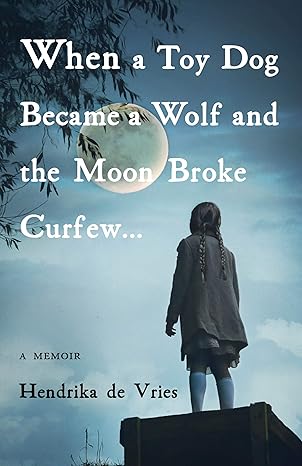
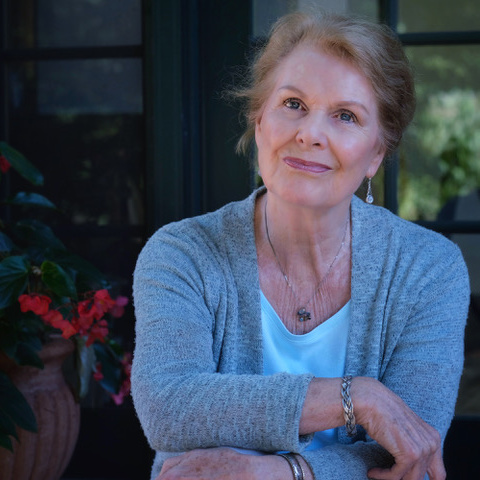
Hendrika de Vries is the author of the award-winning memoir When A Toy Dog Became a Wolf and the Moon Broke Curfew.
Every voice matters and especially yours.
Always inspiring to hear of writers breaking through in their later years. Good for you! Sounds like a fascinating story.
What a great article. It gives me hope that I can get my book done, too. It took four years to complete a draft. Now, I’m trying to figure out how to finalize it.