In the early 1970s, not long out of medical school at the University of Kansas, I took my first medical post in a small town on the plains of northwest Kansas.
Norton was supposed to be a stepping stone—a place to gain experience and save money before my residency in Seattle. Little did I know that instead of starting a career, I was finding my calling.
Family medicine became my life’s work for more than 40 years after that. My career included many highlights, including starting a clinic in Edmonds, Washington, teaching young doctors at the University of Washington, and going on more than ten medical missions with Healing the Children.
Once retirement finally gave me the time to sit still, the stories that kept surfacing were from my time in Norton.
Retirement Gave Me Time to Reflect
When practicing medicine, doctors are always looking at the next patient. There isn’t much time to stop and reflect. Retirement changed that for me. When my schedule slowed, it allowed my brain the space to let memories enter the picture.
Those memories became the characters in my novel, built from the patients I treated. Central to the novel is a rancher too proud to rest, no matter what his doctor advises. There’s a young mother whose life is in danger, and a woman with breast cancer who decides she will live, and die, on her own terms.
In a small town, you really get to know your patients. You might treat a man in the morning and see him at the post office that afternoon. My patients weren’t just case files. They were neighbors, and they taught me as much as any textbook did.
Why I Wrote It as Fiction
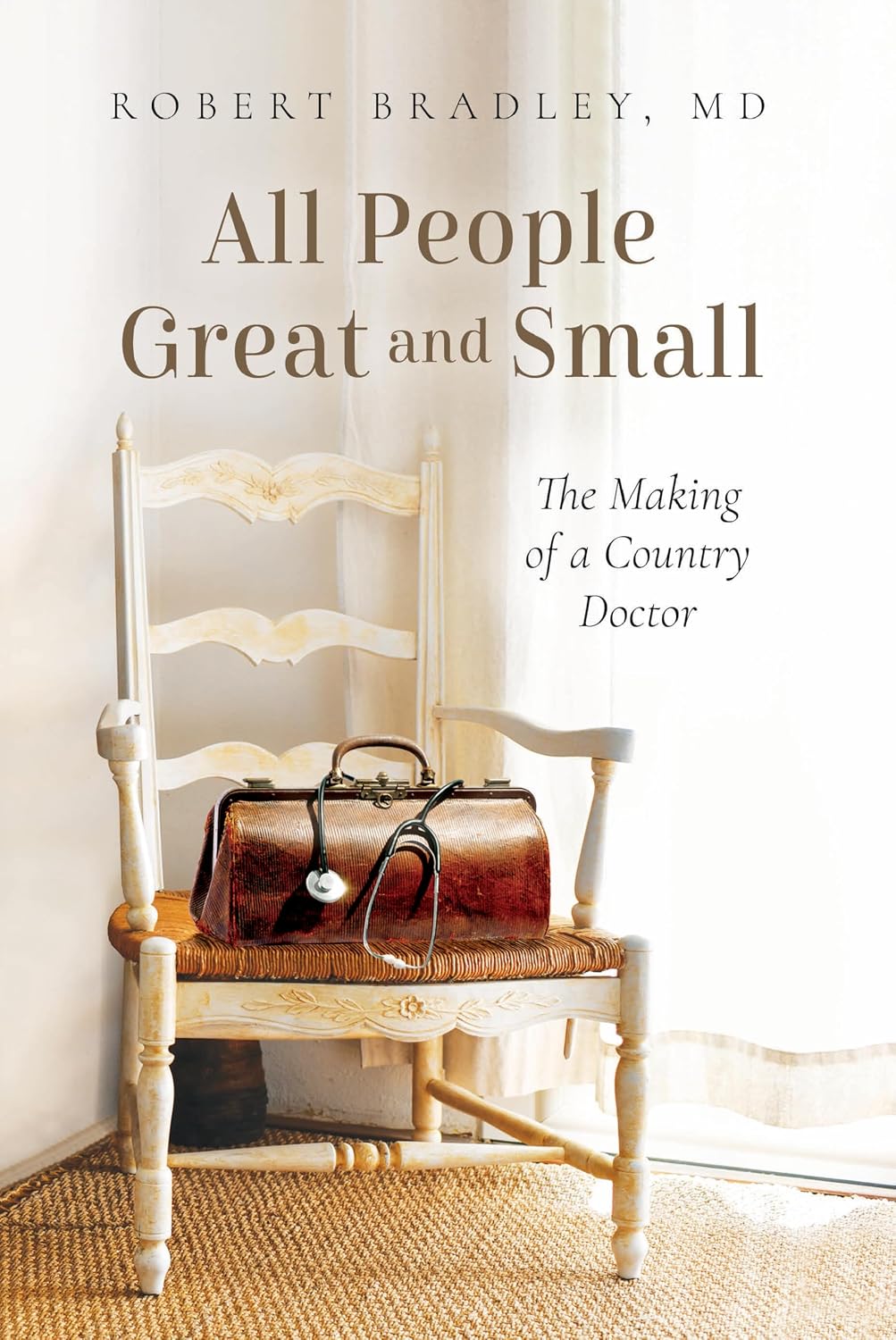
The title of my book, All People Great and Small, was chosen intentionally. I’d long admired James Herriot’s books about life as a country vet in Yorkshire, and my book is a nod to his All Creatures Great and Small. He made ordinary work funny and tender without getting sentimental. I wanted to do for the country doctor what he did for the country vet.
There were many parallels that I could draw on from my experiences as a physician. Writing a fictional story lets me combine several patients into one character, protect people’s privacy, and fill in conversations my memory is only half kept. The medicine is real, and so is the feeling of being a young doctor with no one else to call.
Teaching Never Really Leaves You
For years I taught residents at the University of Washington, and I learned that good teaching is mostly storytelling. You can explain a diagnosis from a textbook, but young doctors remember the staff and patients who were the real teachers.
Writing this book felt like one more chance to teach, this time to anyone who has wondered what it’s like to practice medicine with no specialist down the hall.
Medicine looks very different today, and I won’t pretend everything was better back then. A lot of it wasn’t. We had time, and the familiarity that comes from living in the same small place as the people you care for. I wanted to get that down on paper, along with the young man I was when I learned it.
If You Want to Write Your Own Story
People my age often tell me they’ve always meant to write their memories or stories down. My advice is quite simple. Start with one story, the one you’ve told the most. Set aside the feelings that you need to be a writer, because I never was.
Let someone you trust read it early. Don’t worry about publishing until you’ve written it. The act of writing your story is the hardest part and, ultimately, all that matters.
My time in Norton made me a doctor. Writing about them 50 years later reminded me why I wanted to become one in the first place.
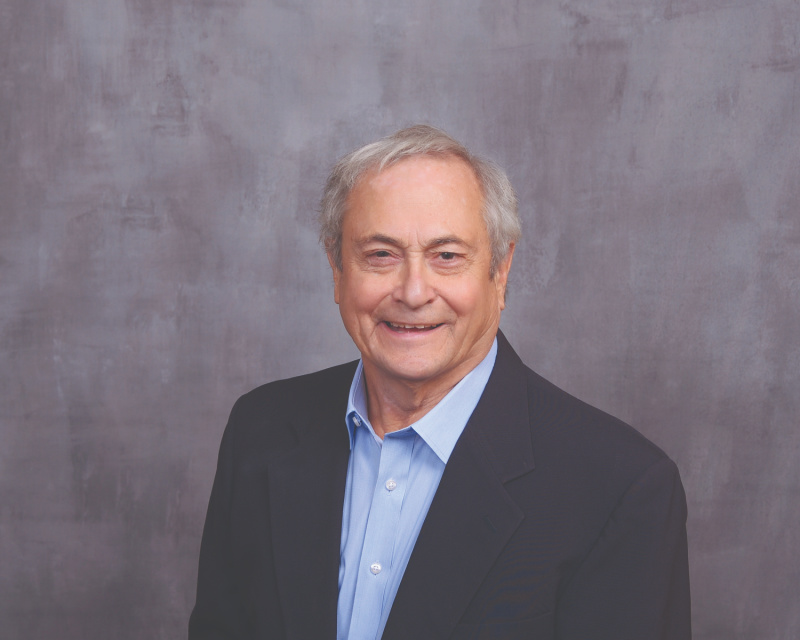
Robert Bradley, MD, is the author of All People Great and Small: The Making of a Country Doctor
Leave a comment and tell us what you think